A stride and a held spell.
The wizards shift their weight, move their arms and drive into a faster sprint. Their casting hand extends the staff and holds the release.
The characters felt too stiff in motion. Their staff arm hardly moved during travel, and casting favoured the free hand before dropping away. This pass changes the actual Blender animations and their Unreal playback, keeping the existing characters and game rules.
Movement through the whole body
The new loops distinguish the supporting foot from the recovering foot. Heel and toe roll, small weight shifts and opposing hip and shoulder rotation give the stride more shape. The free arm follows the step; the staff arm moves more cautiously around its load. Cloth and lantern motion follow the body.
Normal travel retains the existing fast game speed, so it reads as a purposeful jog. Sprint uses its own shorter cycle. Forward, backward and sideways clips share a stride phase so direction changes can blend without restarting the feet. All four wizard rigs receive the six revised clips.
The staff carries the spell
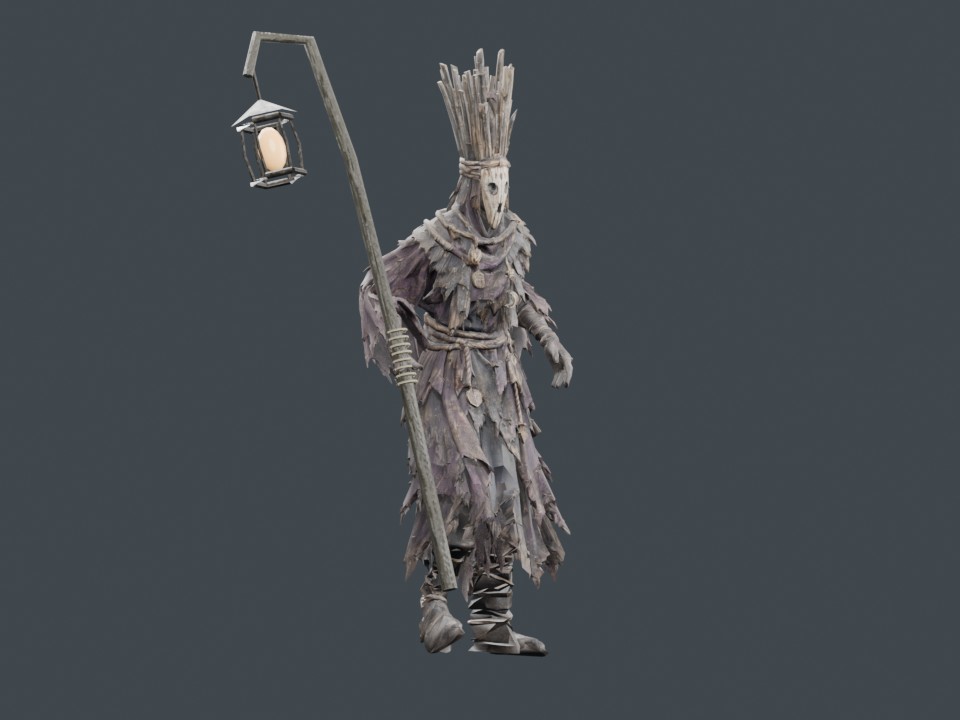
The right arm reaches forward with a small elbow bend, holds the staff out, then recovers. In the game rig, Vessara’s casting hand moves about 58 centimetres farther forward. The pose reaches its plateau after 55 milliseconds and holds until 240 milliseconds. The lantern hangs beneath the angled shaft.
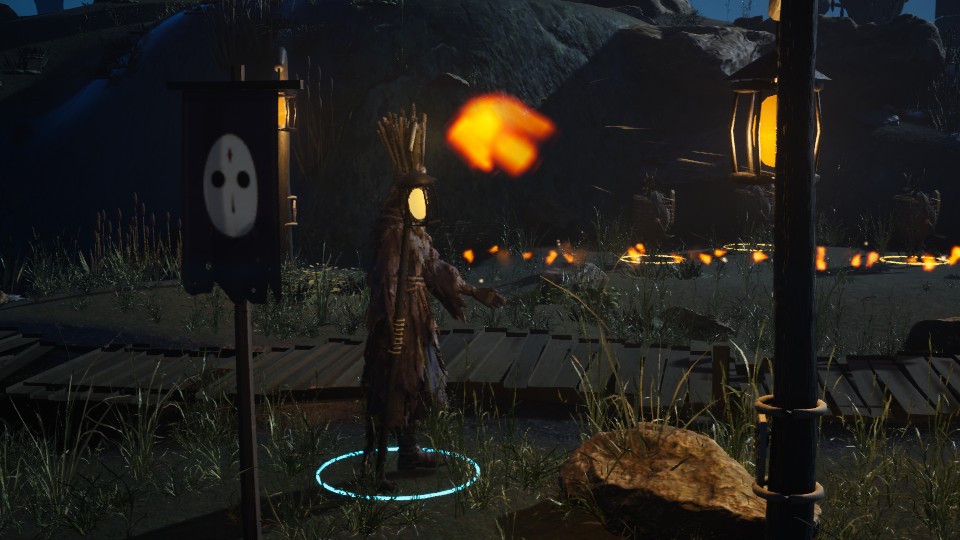
Casting remains an upper-body action, so the legs keep moving. A one-frame delay in the animation handoff has also been removed. The cosmetic flash waits for the reach; projectile launch, damage, mana and cooldown rules stay immediate and unchanged.
Checked in the playable build
Blender checks cover loop continuity, held reach and recovery across the four rigs. The separate Mac build passes 983 relevant gameplay, native-input and motion assertions, plus 80 baked animation checks. The normal campaign and skirmish input paths still work. The other patrons’ motion checks pass; four older Vessara-specific cost assertions also fail in the previous app and remain a separate test-fixture limitation.
The final real-time Balanced sample at 1280 × 720 measured 35.5 FPS during traversal, 32.6 in combat and 29.7 with the major spell. It still recorded frame spikes up to 231 ms. This animation pass does not establish a performance improvement or 60 FPS.
There is more room to refine the original skin deformation and add terrain-aware foot locking. Some sliding remains at the game’s fast travel speeds. Shaun’s hands-on judgement of the movement is still the next acceptance step.
Reference into motion
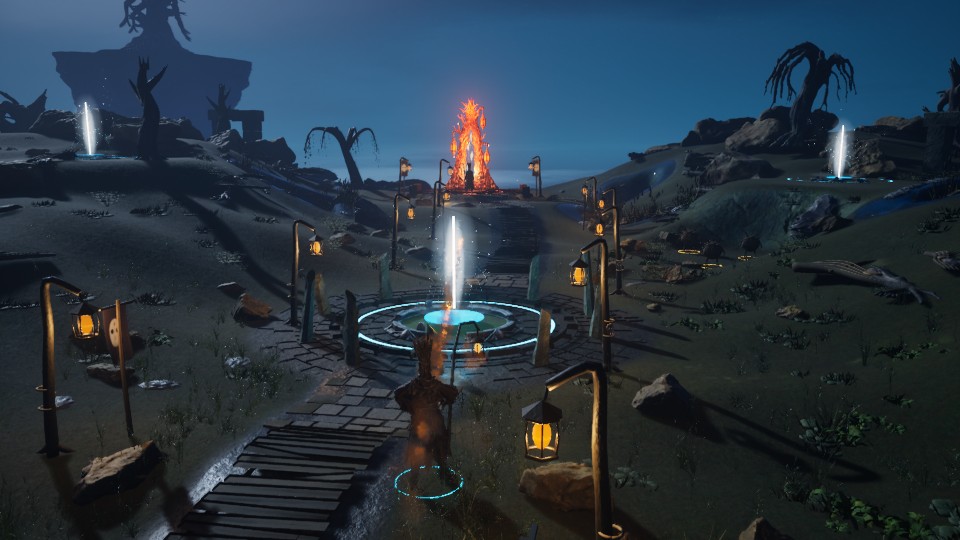
Published walk and run references informed the direction; generated pose studies helped the earlier discussion. The final animation was authored locally in Blender on the existing skeletons, then imported into Unreal. No new model, downloaded motion pack or paid video generation was needed for this pass. The previous playtest app is preserved.