The same wizard, less memory.
A compact texture format reduces the wizard’s memory footprint at the same resolution. New loading measurements separate arena construction, character setup and spell preparation.
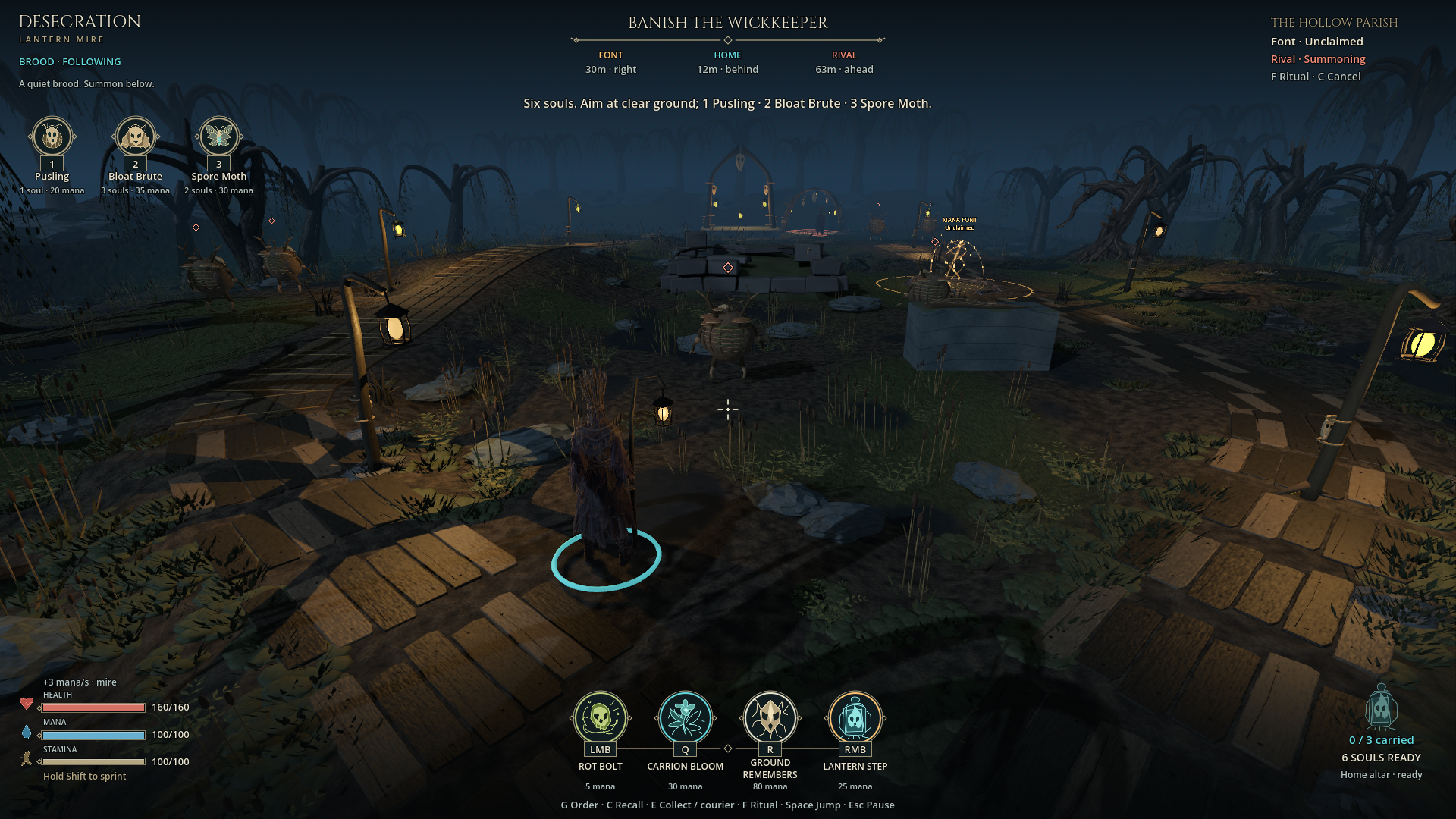
This performance slice starts with one character: the Vessara wizard and its seven texture maps. The selected format reduces measured texture allocation by 112 MiB in the same match state, with the detailed body, original equipment and 2K images retained. It also gives us a clearer way to measure the next assets.
Keep the cloth and the lantern.
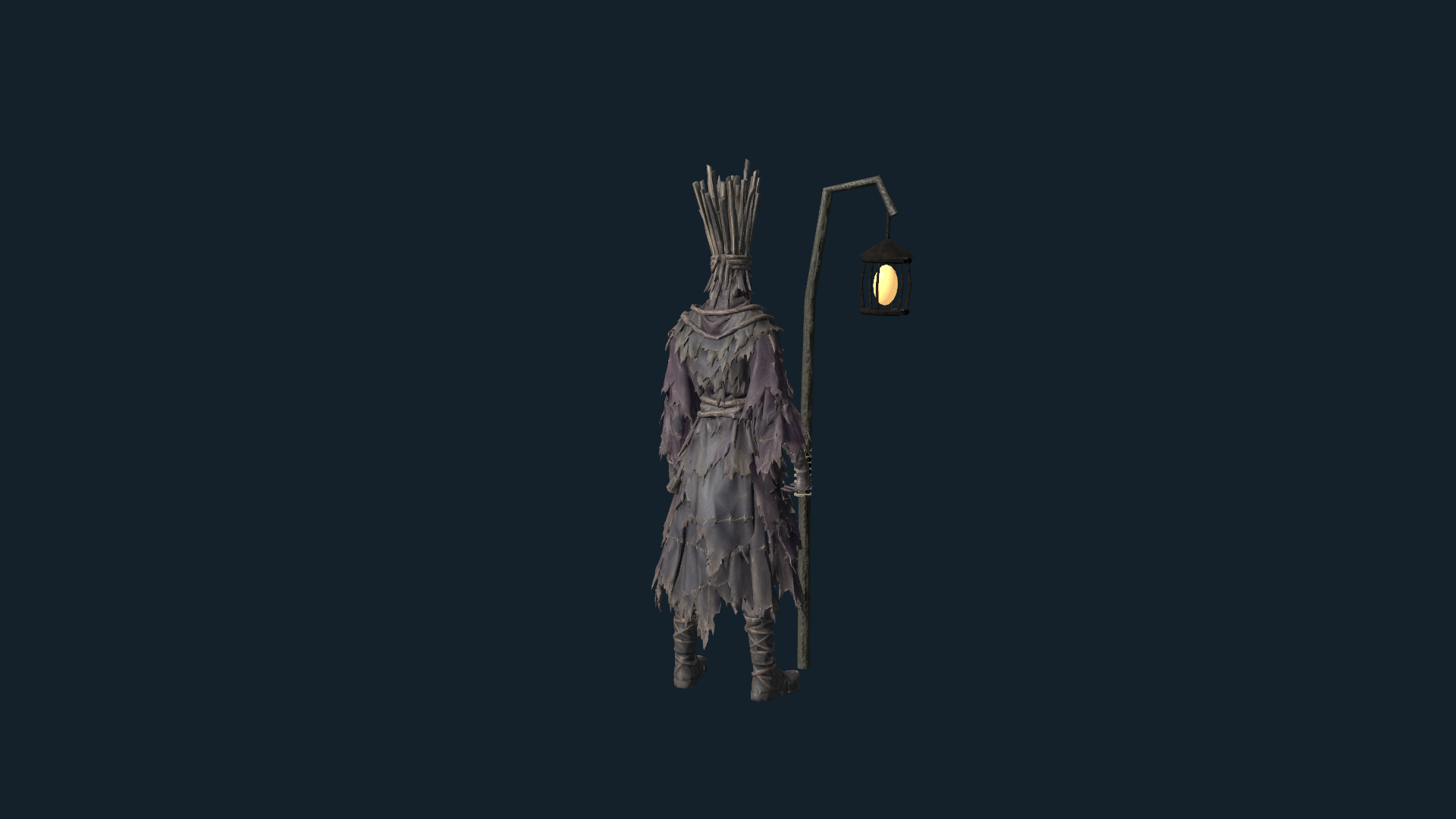
The current Meshy body and locally prepared equipment, rig and animation clips remain intact. Both body and equipment surfaces still use their original colour, normal, metal/roughness and emission maps. All seven source images and the original model are preserved.
Matched close-up renders show the same silhouette, folds, ropes and lantern. Compression introduces small pixel differences; the maps keep their original 2K resolution and mipmaps. The memory result is Godot’s reported texture allocation at an equivalent match state, not a claim about total computer memory or frame rate.
Check the package as well as the memory.
The first GPU-compression trial saved memory but would have added about 48 MiB to these maps’ packaged payload because the Mac export included two hardware formats. That was a poor choice for this pass.
The selected portable format finishes encoding in about 22 seconds and keeps the same measured memory reduction. Its seven maps total 21.21 MiB instead of 26.33 MiB. The complete test pack is about 5.12 MiB smaller than the previous cleanup pack. A slowest-encoder attempt was stopped after seven minutes and twenty-five seconds; the medium setting was then checked against the same visual references.
Measure the whole wait.
Loading now records the request, arena kit and scenery construction, actor and objective setup, each preparation stage, local readiness and the wait for the other player. Restart starts a fresh record. These diagnostics do not add technical text to the player’s loading screen.
In the accepted native same-Mac checks, mixed patrons reached play in about 5.5 seconds and matching patrons in about 3.3 seconds. The earlier 71-second guest preparation did not recur, but this does not establish that it is fixed. Repeated lossless loads also became faster as caches warmed. There is no reliable loading-speed gain claimed from this small conversion.
Keep the remaining performance question visible.
The selected source passed 240 focused assertions, plus 28 across two local headless network peers. The exact exported pack passed 637 resource checks and 50 native texture/loading checks; its seven decoded maps match the accepted source maps. Both versions accepted all sixteen first/repeated spell casts, and native mixed and mirror matches reached the shared ready barrier.
Four two-minute active crowded samples passed the gameplay checks, but frame times varied substantially even with identical assets. Short graphics diagnostics also showed that halving draw calls by disabling shadows brought only a modest timing change. The production lighting remains intact.
The delivered multiplayer app and separate willow comparison are preserved. This iteration supplies an isolated, checked asset change and better loading evidence. Stable active-combat profiling, online snapshot costs and further carefully reviewed texture families are next. No new generation credits were used.